
From the Platform to the Pines: Wales Without Steps
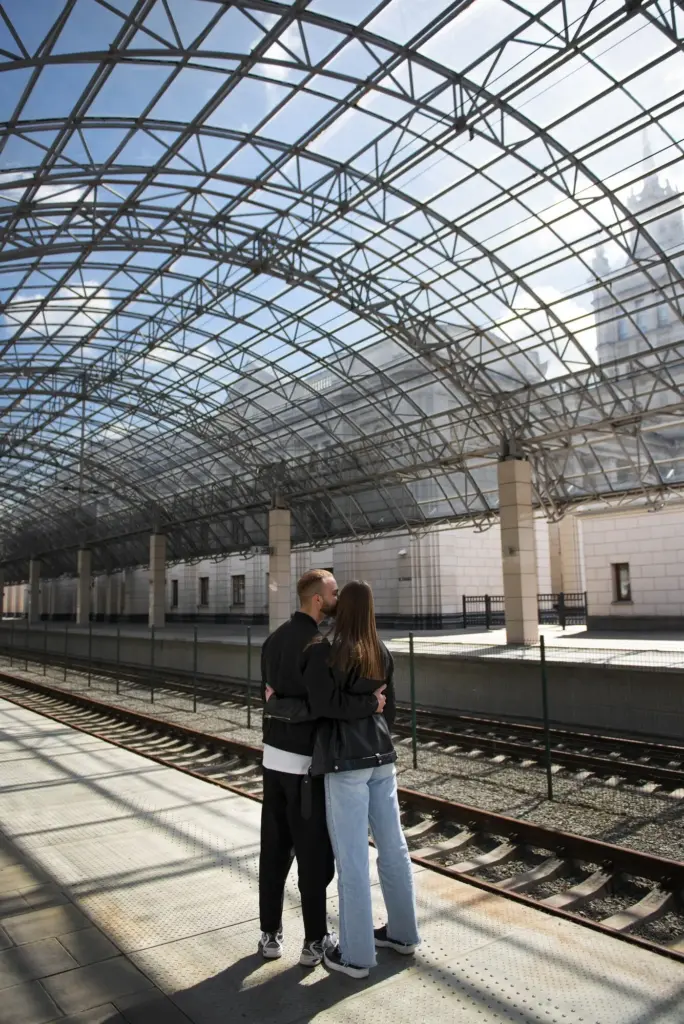
Rolling from the Platform into the Trees

Betws-y-Coed: Riverside Calm beside Gwydir’s Woods
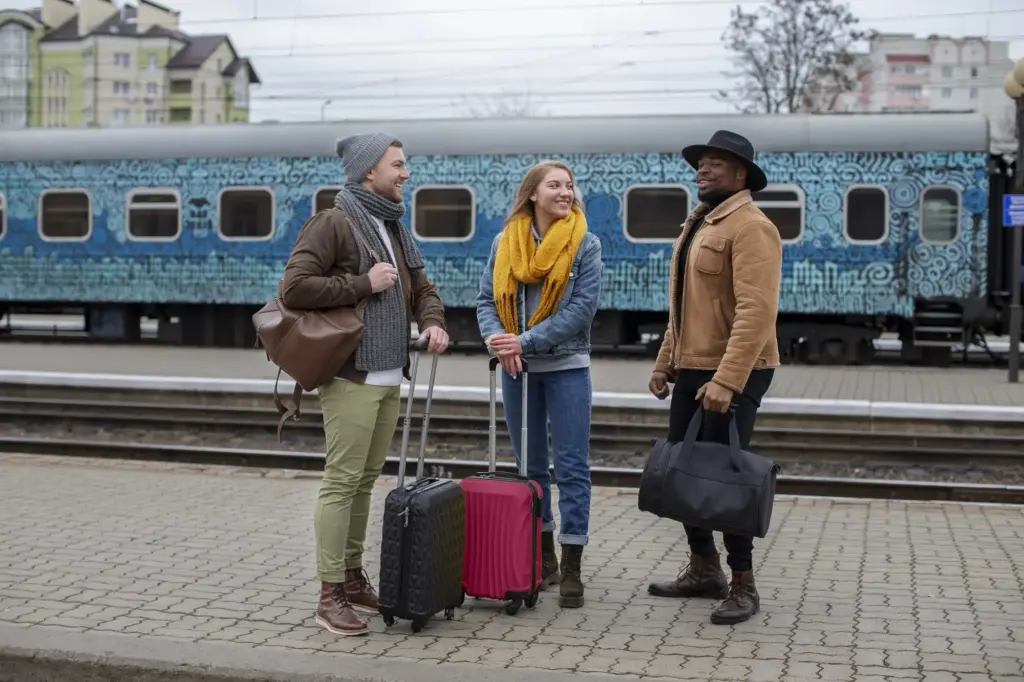
Abergavenny: Meadows to Shaded Groves by the Usk
Surfaces, Gradients, and Widths You Can Trust

Door-to-Canopy Journeys by Rail
Passenger Assist: Booked Support and Spontaneous Freedom
You can pre-book assistance for ramps, guidance to platforms, or help between services, yet spontaneous travel remains welcome. Aim to request support in advance when possible, then relax knowing someone expects you. If plans change, staff can still help adapt your route. Keep essentials accessible, arrive a touch early, and confirm lift status on apps or noticeboards. This blend of structure and flexibility helps independence flourish, making the railway feel like a partner in every green, unhurried outing.
The Last 500 Meters: Pavements, Crossings, and Landmarks
Those final city-to-forest links set the tone. Identify dropped kerbs, zebra or signal crossings, and quieter side streets with smoother cambers. Landmarks—bridges, chapels, cafés—aid orientation when signage thins. Save an offline map segment, mark accessible toilets, and note bus back-ups if rain insists. With small choices, that last stretch becomes ceremonial rather than stressful, letting you arrive under leaves with a quietly triumphant heartbeat and the soft promise of paths that welcome rolling wheels without hesitation.
Timing, Tickets, and Unhurried Connections
Off-peak day returns often pair nicely with leisurely woodland time. Build transfer cushions—enough to detour for coffee, stretch hands, or check a path board. If crowds rise, let a later train cleanse the schedule. Digital tickets simplify juggling gloves, canes, or snacks. Be gentle with goals: one luminous loop beats three rushed detours. When plans honor human cadence, every ramp, clearing, and bench feels thoughtfully placed, and the railway rhythm harmonizes with your own, from carriage hum to forest hush.
Spring into Summer: Birds, Blossoms, and Luminous Shade
Autumn and Winter: Gold, Frost, and Clear Horizons
Stories from the Path

Gear, Snacks, and Simple Fixes
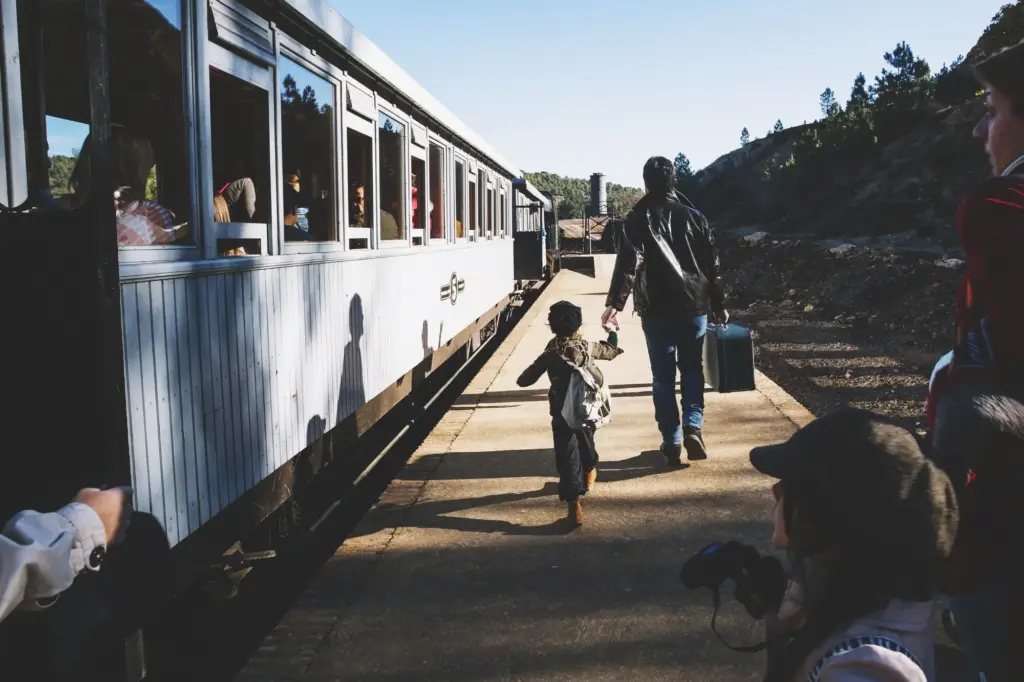
Wheels and Shoes that Love Woodland Texture

Weather Layers and Valley Microclimates

Comfort, Dignity, and Unhurried Breaks

All Rights Reserved.